NC500
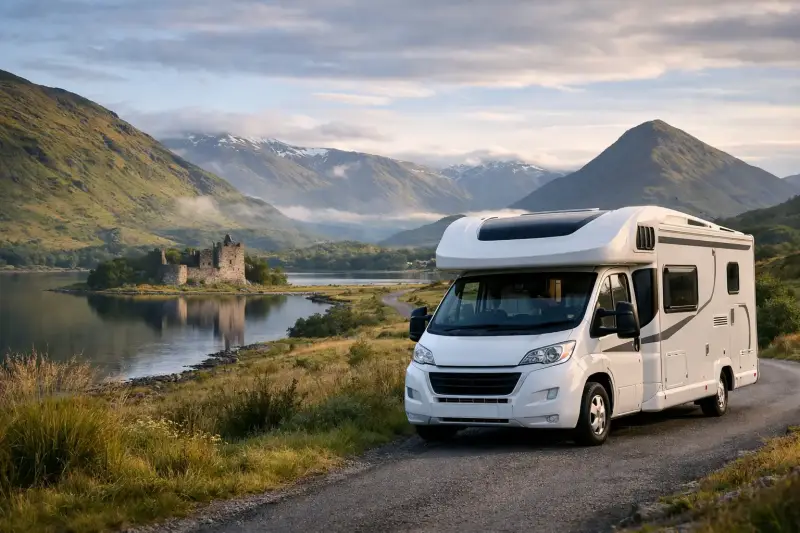
NC500 Motorhome Hire from Keith, Moray
Start the North Coast 500 from one of Scotland's best-kept secrets — the market town of Keith in Moray, just 45 minutes from Inverness by road or direct by train.
What is the North Coast 500?
The North Coast 500 (NC500) is Scotland's answer to Route 66 — a 516-mile circular route through some of the most dramatic and remote landscapes in Europe. Starting and finishing in Inverness, the route takes in rugged Atlantic coastline, ancient castles, white sand beaches, towering mountains, and remote Highland villages.
It has been voted one of the world's top road trips, and a motorhome is widely considered the best way to experience it — giving you the freedom to stop where you want, stay where the views are best, and travel at your own pace.
📍 Your NC500 starting point
Keith to Inverness is 45 minutes by road (A96) or direct by ScotRail train. Pick up your motorhome in Keith, drive to Inverness, and join the NC500 at its official start point — Inverness Castle — the same morning.
The NC500 route — what to expect
The route runs clockwise from Inverness, taking in five distinct regions of the Scottish Highlands:
1. Inverness to the Black Isle & Easter Ross
The gentler opening section. Stop at Cromarty for harbour views and dolphin spotting in the Cromarty Firth — the Moray Firth bottlenose dolphin population is one of the largest in the UK.
2. Easter Ross to the Far North — Caithness
Wild and open moorland, big skies, and the dramatic Duncansby Head stacks near John o' Groats. Stop at Dunrobin Castle — the largest castle in the northern Highlands.
3. The North Coast — Durness to Ullapool
The highlight for most travellers. Smoo Cave at Durness, the impossibly white sands of Balnakeil Bay, and the jaw-dropping descent into Kylesku on the NC500's most photographed stretch of road.
4. Wester Ross — Ullapool to Torridon
Ancient Torridonian sandstone mountains, Beinn Eighe National Nature Reserve, and the stunning Applecross peninsula with its legendary Bealach na Bà mountain pass — not suitable for motorhomes, but the coastal road alternative is equally beautiful.
5. Skye & Back to Inverness
The final section returns via Loch Carron, Glen Shiel, and the Great Glen back to Inverness. If time allows, a detour to Eilean Donan Castle is well worth it.
How long does the NC500 take by motorhome?
The full NC500 loop is 516 miles — but the journey is not about miles, it's about stops. Most travellers allow:
• 7 days minimum — achievable but rushed. Best for those who want to complete the full loop.
• 10–14 days — the sweet spot. Time to walk, explore, and linger at the places that earn it.
• 2+ weeks — add Skye, Glen Coe, or the Cairngorms. A proper Highland adventure.
Our motorhome is available for a minimum 3-night hire, with weekly rates from £875 per week — check our pricing page for current rates and availability.
Ready to book your NC500 motorhome hire?
We only have one motorhome — so availability is limited and it books up fast in summer. If you're planning an NC500 trip, we'd recommend getting in touch early to secure your dates.
Check availability online, or contact us directly if you have questions. We're happy to help you plan your route, recommend campsites, or advise on the best time of year for your trip.
📞 Get in touch
We're a small, friendly operation based in Keith. Give us a call or drop us an email — we'll get back to you quickly and are happy to chat through your plans before you book.
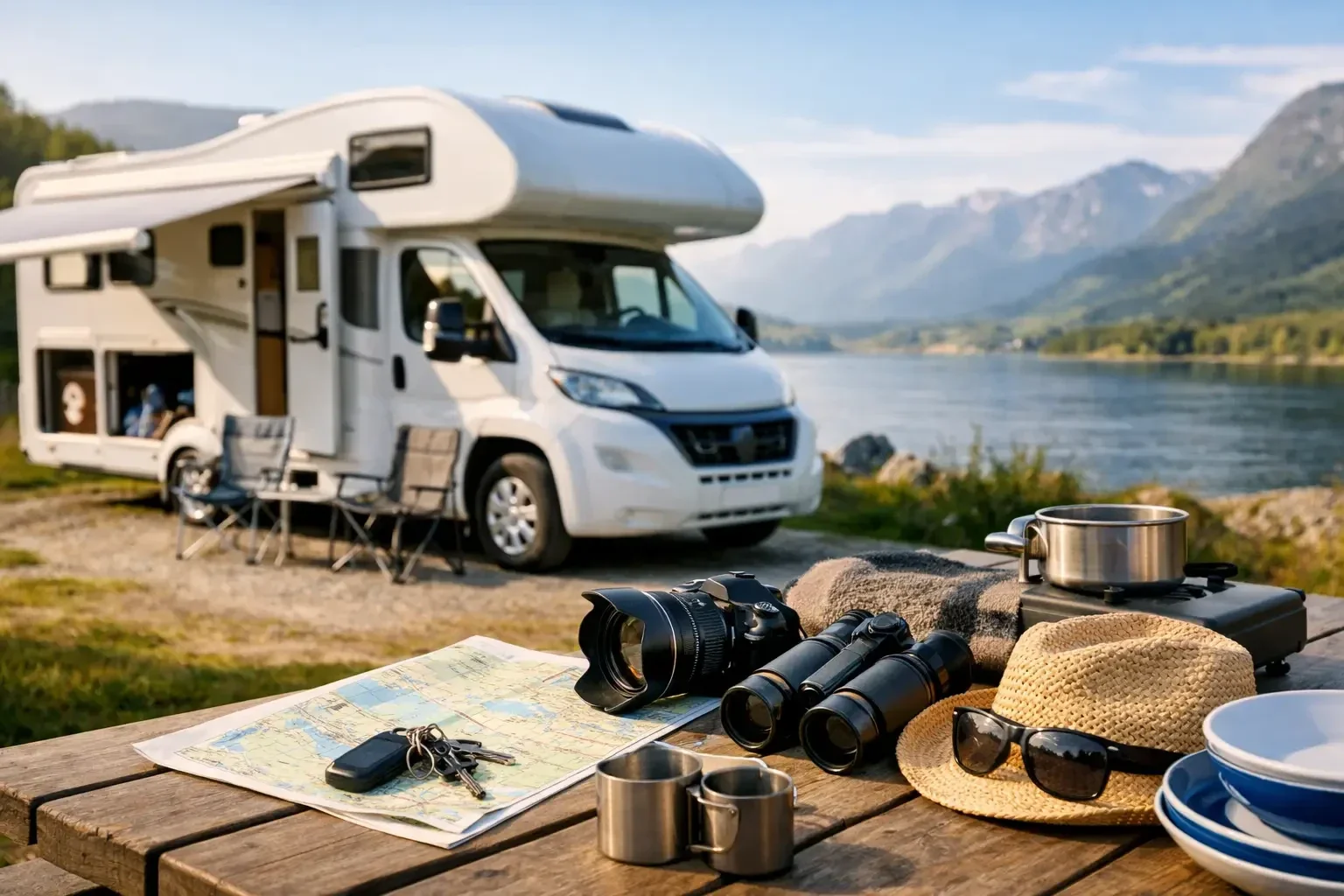
Why start your NC500 from Keith, Moray?
Most NC500 travellers fly into Inverness and pick up a hire van there — often from a large fleet depot, with limited personal service and a long queue. Starting from Keith gives you a very different experience.
• Direct train from major cities. Keith has a direct ScotRail service from Edinburgh, Glasgow, and Aberdeen. No car hire, no driving to the depot.
• Fly into Inverness. Inverness Airport is 45 minutes from Keith. We can arrange a pick-up time around your flight.
• Personal handover. We walk you through the motorhome ourselves — every switch, every system — before you leave. Not a laminated sheet in an empty car park.
• See Moray first. Use your first day to explore Speyside, the Moray Coast, or the Cairngorms before joining the NC500 — regions most NC500 travellers never see.
• Quieter start. Keith is away from the tourist crowds in Inverness. A relaxed start sets the tone for the whole trip.
🚂 Getting to us by train
Keith station is served by ScotRail's Inverness–Aberdeen line. From Edinburgh (3h 30m via Inverness), Glasgow (4h via Inverness), or Aberdeen (45 min). The station is a short drive from our handover location.
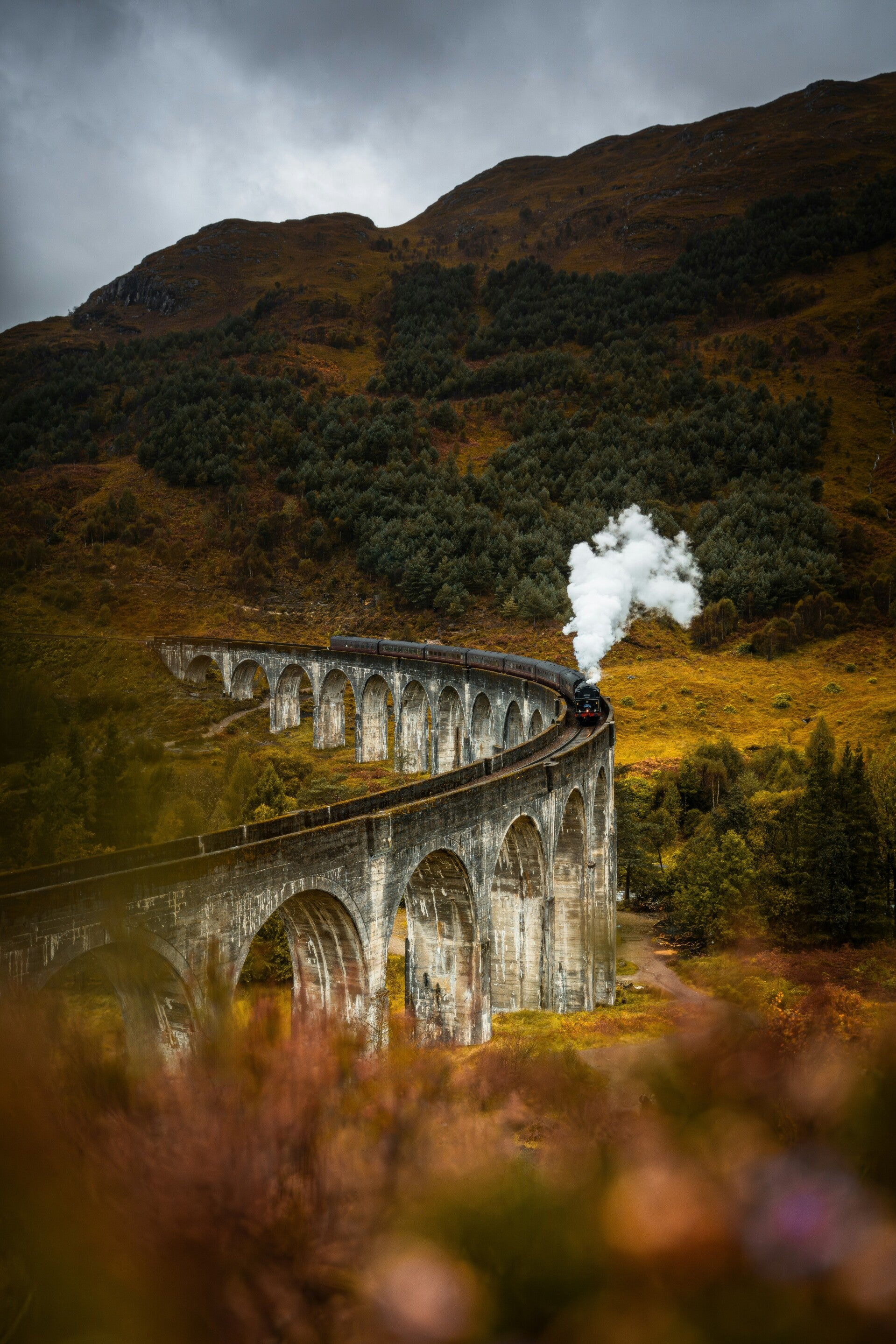
NC500 campsites for motorhomes
The NC500 is well served by campsites, motorhome stopovers, and official 'NC500 Partner' sites. Here are some of the best spots for motorhomes:
North Coast
• Sango Sands, Durness — clifftop site with Atlantic views. One of the most dramatic campsite locations in Scotland.
• Caithness Horizons, Thurso — good facilities, close to Dunnet Head (the most northerly point of mainland Britain).
West Coast
• Applecross Campsite — right on the shore of Applecross Bay. Book ahead — it fills fast in summer.
• Kinlochewe Caravan Club Site — peaceful base for walking in Beinn Eighe and Torridon.
Practical notes
• The NC500 has limited services in remote sections — fill up with fuel, water, and gas whenever you have the chance.
• Passing places on single-track roads are for passing, not parking. Use designated motorhome bays where marked.
• Wild camping is legal in Scotland under the Land Reform Act — but always follow Leave No Trace principles.
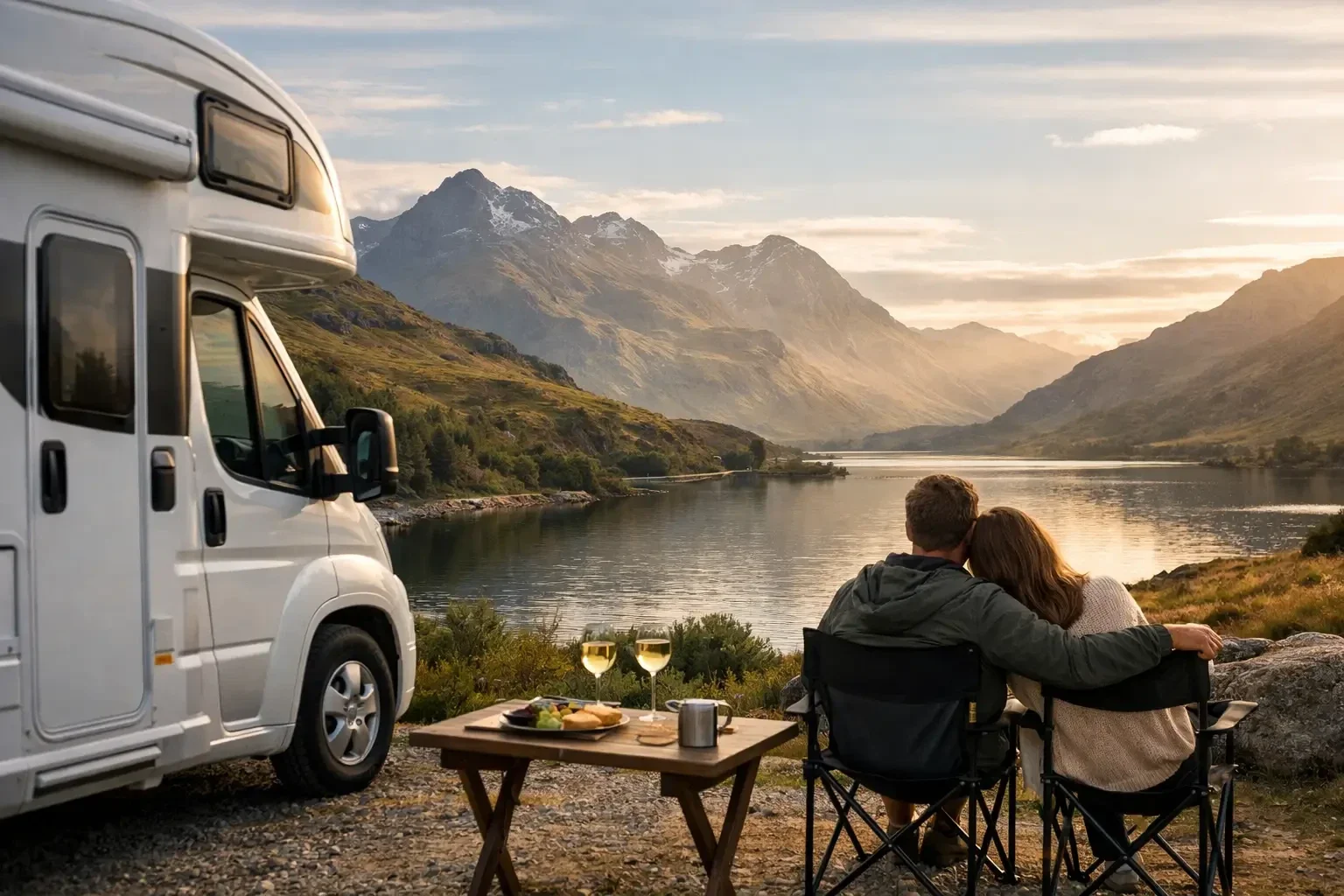
What to pack for a NC500 motorhome trip
Our motorhome comes fully equipped (beddings & towels can be hired)— but here's what we recommend you bring personally:
• Waterproofs and layers — Highland weather changes fast, even in summer
• Walking boots — the NC500 rewards those who get out of the van
• OS maps or a GPS — mobile signal is patchy in remote sections
• Midges protection — essential June to August (Smidge is widely recommended)
• Cash — some remote cafes and campsites don't take cards
• Binoculars — for dolphins, eagles, red deer, and Atlantic seabirds